Ever paused to think about what’s actually flowing from your kitchen faucet? Most of us, honestly, just assume our tap water’s safe enough to drink. But with all those recent headlines about lead contamination, “forever chemicals,” and yes, even microplastics, it’s no wonder folks are starting to worry about what they’re really gulping down. The truth about tap water safety? Well, it hangs somewhere between paranoia and just plain old trust—and pinpointing where your water sits on that scale could be a game-changer for your family’s health.
The Environmental Protection Agency says over 90% of US water systems breeze through federal safety standards. Sounds comforting, right? But there’s more to the story. Those standards don’t cover every single potential troublemaker, and compliance? It’s all over the map across different regions and water systems.
So, how ’bout we dive deep into what you need to know about your tap water, how to size up its safety, and your options for ensuring what you’re drinking is actually good for you?
Assessing Your Tap Water – Is It Safe?
Here’s the deal: figuring out if your tap water is safe isn’t the cakewalk you might think it is. Sure, municipal water gets treated and tested, but aging pipes, local factories, and Mother Nature’s geological quirks can sprinkle contaminants somewhere between the treatment plant and your faucet.
The EPA has a rule where water utilities have to hand out these annual Consumer Confidence Reports (CCRs) that spill the beans on contaminant levels and whether they’re playing by the rules. But let’s be real, these reports can be as clear as mud and might not show what’s actually trickling from your tap.
If you want to cut through the mumbo-jumbo and see what might actually be in your local water supply, check out [Tyent USA’s water report page](https://www.tyentusa.com/pages/get-your-free-water-report). You’ll get a free, personalized water report that breaks down the contaminants found in your area. Seriously, it takes like a minute, and suddenly, you have real information to work with.
Common Contaminants in Tap Water
The list of what could be floating in your tap water? It’s longer than you’d think. The usual suspects include:
- Lead (think old pipes and fixtures)
- Chlorine and chloramines (fancy words for disinfection chemicals)
- PFAS (“forever chemicals” from industrial stuff)
- Microplastics (tiny plastic bits that are starting to show up more and more)
- Heavy metals like arsenic, mercury, and cadmium
- Bacteria and viruses (especially if your water system needs a little TLC)
- Pharmaceutical residues (from not knowing how to ditch old meds and wastewater)
Stuff like lead can have nasty health effects, even at minuscule levels. Others, like microplastics, are still in the “not entirely sure what they do to us” category.
How to Test Your Tap Water Quality
So diving into your specific water quality isn’t as Herculean as it sounds. You have some pretty nifty options:
- DIY Testing: These quick test kits can spot things like lead, bacteria, pesticides, and pH levels. (Tyent USA, by the way, offers free pH test kits to check your water’s acid-alkaline situation.)
- Professional Laboratory Testing: Want the nitty-gritty? Collect samples, mail them to a lab, and they’ll spill all the details. It’ll cost you $100-$500, but hey, knowledge is power.
- Local Health Department: Many places will do basic water testing for bacteria and nitrates at little to no cost.
- Water Utility Reports: Besides that CCR, your utility might have more current test results if you ask nicely.
Keep in mind, water quality isn’t static. Things can shift with the seasons or environmental shake-ups (like flooding) so, if you’re concerned, regular testing’s the way to go.

Methods to Make Tap Water Safe for Drinking
Finding a few contaminants doesn’t mean you need to flee to the nearest bottle shop. There are some pretty effective methods to level up tap water safety.
Boiling Water: An Age-Old Method
Boiling water has been everyone’s go-to since, well, forever. Research featured in medRxiv shows boiling water drastically cuts down on those pesky diarrheal diseases by knocking out most bacterial and viral troublemakers. There’s even a field study from Guatemala where boiling slashed thermotolerant coliforms (big word for bacteria indicating poop was involved) by about 86%. But here’s the kicker—once it cools, stash it safe, or risk a recontamination do-over.
Now, according to a study by the American Chemical Society, there’s even evidence that boiling calcium-rich water can zap up to 90% of those microplastic particles because limescale does some sort of voodoo encapsulation magic. Caution, though, boiling doesn’t do squat for chemical contaminants like lead or those sneaky pesticides. In fact, it can actually concentrate some of the nasties as the water evaporates. So, stick with what it’s good for: bugs and germs.

Water Filtration: Types and Effectiveness
If you want a more thorough clean-up, water filtration’s your friend. Different filters handle different bad guys:
- Activated Carbon Filters: Ideal for getting rid of chlorine, some organic compounds, and making your water less “eww”-scented. You know, Brita pitchers, faucet attachments, that sort of thing.
- Reverse Osmosis Systems: These babies can boot out heavy metals, fluoride, and some microorganisms—it forces the water through a membrane, leaving the nasties behind.
- Ion Exchange Filters: Handy if you hate hard water stains or need to ditch some heavy metals.
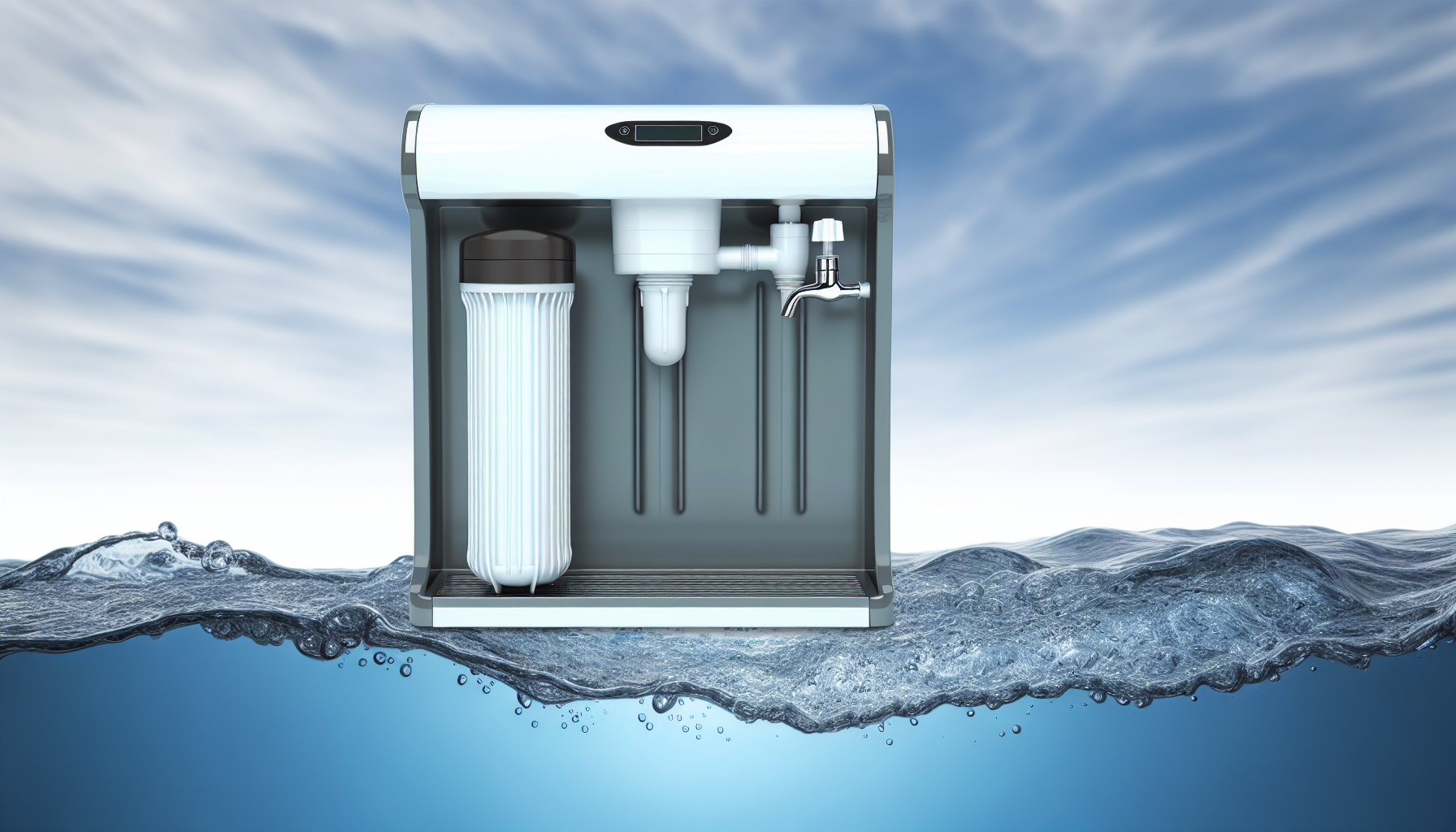
- Advanced Multi-Stage Systems: Something like water ionizers from Tyent USA mixes a cocktail of filtration technologies, with a dash of ionization that makes water alkaline and hydrogen-rich while cleaning up heavy metals, microplastics, even those pesky forever chemicals.
A lil’ review published in NASA Technical Reports Server supports that the fancy filter techniques are ace at pulling out chlorine-resistant pathogens and particulates what with their intricate workings.

Using Chemical Treatments
Chemical disinfection’s another route—especially if you’re stuck in a jam. The National Center for Biotechnology Information says chlorine’s still tops at zapping bacteria and viruses. Common options you might have lying around the house:
- Chlorine bleach: A couple of drops of unscented bleach per gallon can do wonders in an emergency, though it’s not gourmet.
- Iodine tablets: A fave among hikers and prep kits, effective but leaves water tasting like swimming pool soup.
- Water purification tablets: With chlorine dioxide, these pack a broader punch than old-school chlorine or iodine.
Bear in mind, chemical treatments aren’t a daily driver. They can lead to troublesome byproducts and don’t tackle the non-living baddies like heavy metals.
Alternatives to Tap Water: When Safety is a Concern
Despite your best efforts, tap water might just refuse to play nice. These cases call for alternative sources.
Bottled Water: Pros and Cons
Bottled water is there for you, no doubt, but beware of the trade-offs:
Pros:
- Mostly consistent quality (though some rules are more a suggestion than law)
- Great for grab-and-go situations
- Comes in all kinds of flavors (spring, purified, mineral)
Cons:
- Builds up a nightmare of plastic waste, not to mention the carbon footprint
- Costs a fortune compared to tap (seriously, like 1000x more in some cases)
- Sometimes it’s literally filtered tap water to begin with
- That plastic? It can leach into the water, especially if it gets toasty
If you’re relying on bottled water, look for BPA-free and consider bigger containers to keep the planet happy.

Harvesting Rainwater: Is It Viable?
Collecting rainwater is getting trendy in some parts—but is it safe to drink?
Raw rainwater might carry a bit of everything from air pollution to roof grime and bird droppings, but with the right setup (think filtration and disinfecting), it can be made potable. Before diving in, double-check your local rules—some places think it’s a great idea and might give you a tax break, others have curiously strict regulations about it.
Even in the best conditions, treatment is a must before sipping rainwater. With some savvy (yet simple) filtration and UV disinfection systems, making rainwater drinkable isn’t far-fetched once you’ve got the collection system dialed in.

Final Thoughts on Ensuring Water Safety at Home
When it comes to water safety, knowledge really is power. Understanding what’s tap-dancing in your tap water lays the groundwork for smart choices about whether and how to treat it.
For many, a reliable filtration system offers a solid blend of safety, ease, and being kind to Mother Nature. But the ideal fix depends heavily on your specific water quality hurdles and personal priorities.
If you haven’t yet, I’d nudge you to grab that free water report from [Tyent USA](https://www.tyentusa.com/pages/get-your-free-water-report) to pinpoint the real invaders lurking in your local water. This info will empower you to select the most fitting water treatment, steering clear of overkill (and your wallet will thank you, too).
Oh, a quick reminder: water quality isn’t stuck in one gear—seasons, infrastructure gigs, and even the whims of nature can shift the tasting notes from your tap. Regular testing and being clued up about your local water system are habits worth nurturing.
Clean, safe drinking water isn’t just a luxury—it’s a fundamental right. Taking control of your water’s story is one of the most impactful things you can do for your family’s health and well-being. The quest for the perfect glass of water might require a dash of effort, but boy, is it ever worth it.




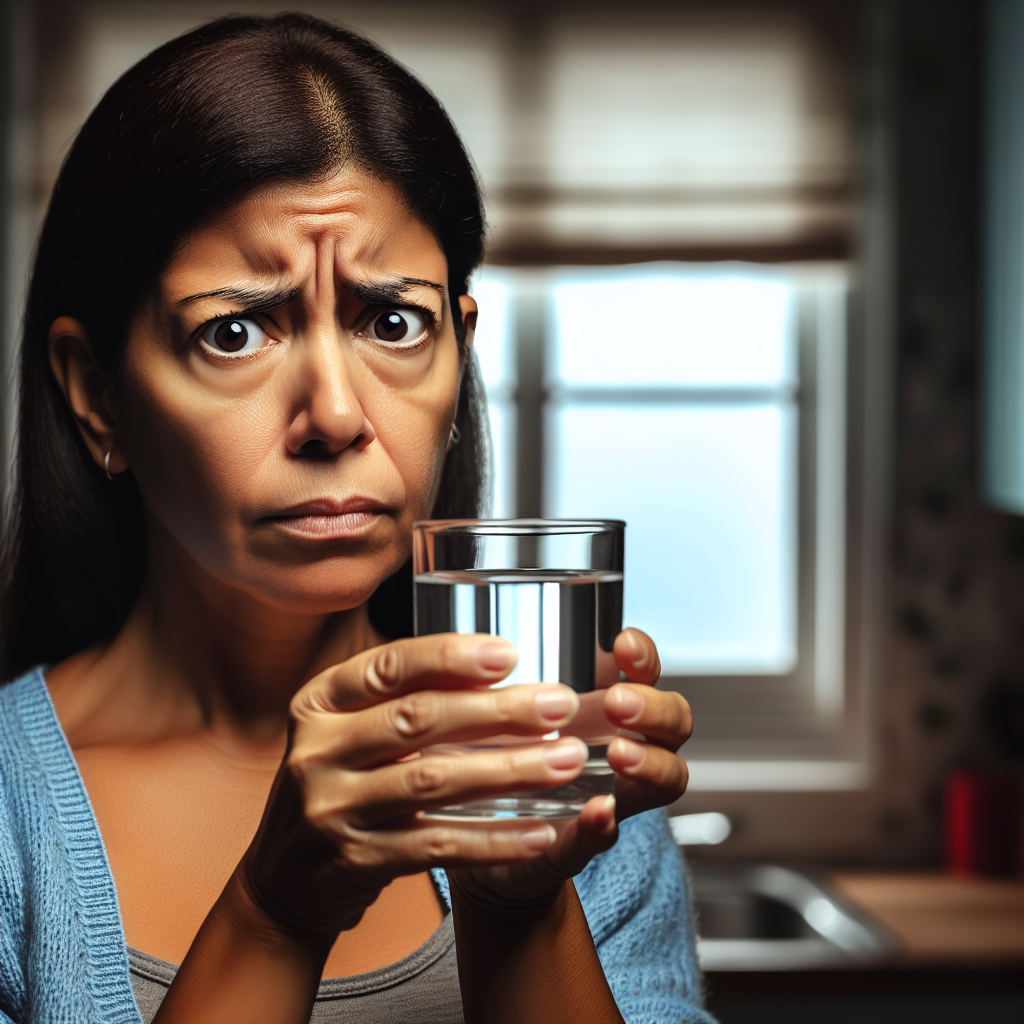 ## Featured Image (Prompt): A professional and photorealistic image of a worried community member inspecting a glass of tap water in their kitchen, symbolizing concern over PFAS contamination. ## How PFAS Affect Water Quality PFAS chemicals are incredibly tough to break down, which makes water filtration particularly challenging. Most standard filters may fail to adequately remove PFAS, necessitating advanced filtration technologies like activated carbon and reverse osmosis systems. Moreover, PFAS are heat and water resistant, making them difficult to detect and even more difficult to remove completely from water. This elevates the need for systemic changes and innovations in water treatment solutions to secure clean, safe water for everyone. ## Ensuring Your Water is Safe The crux of addressing PFAS contamination lies in being informed and prepared. Start by getting a detailed report of the water quality in your area. For free access to a drinking water report, visit [TyentUSA](https://www.tyentusa.com/pages/get-your-free-water-report). This resource can provide a critical understanding of your local water quality and what measures might be necessary to guarantee safety.
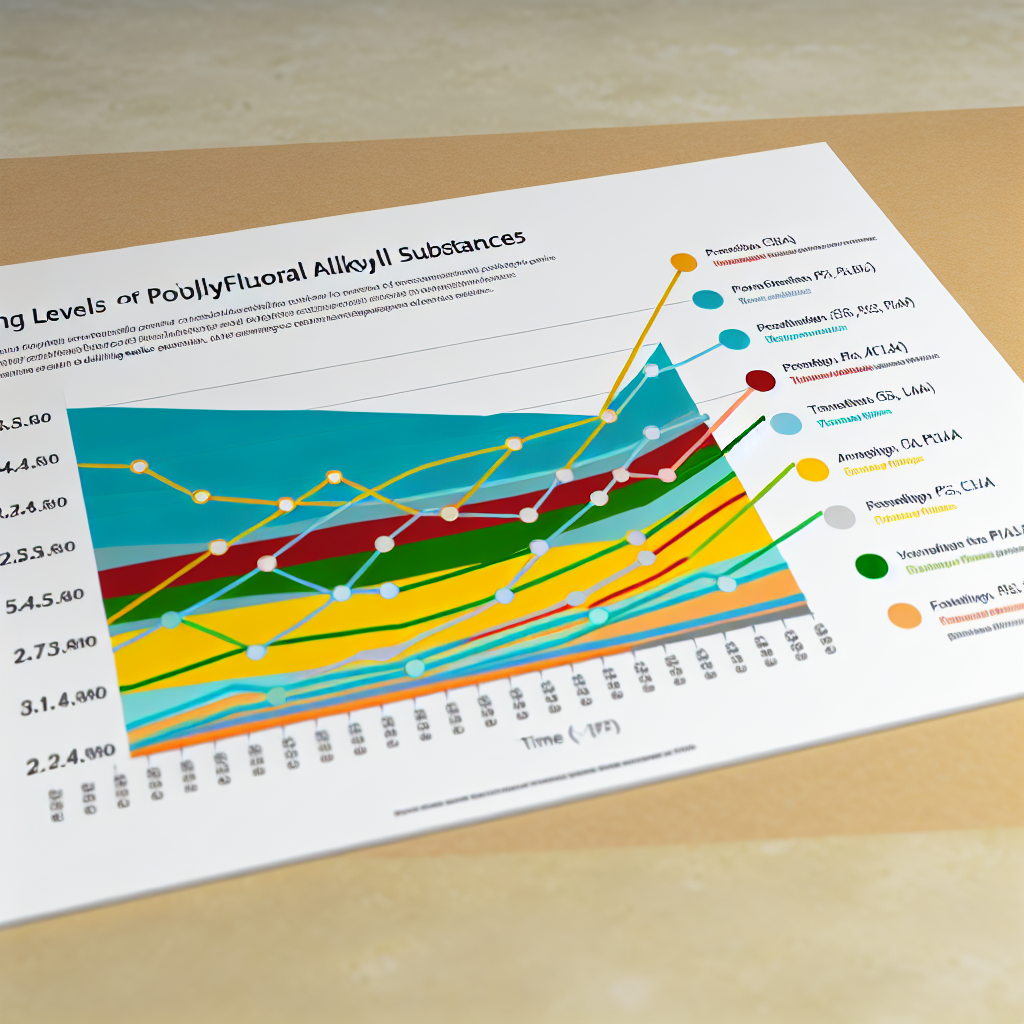
 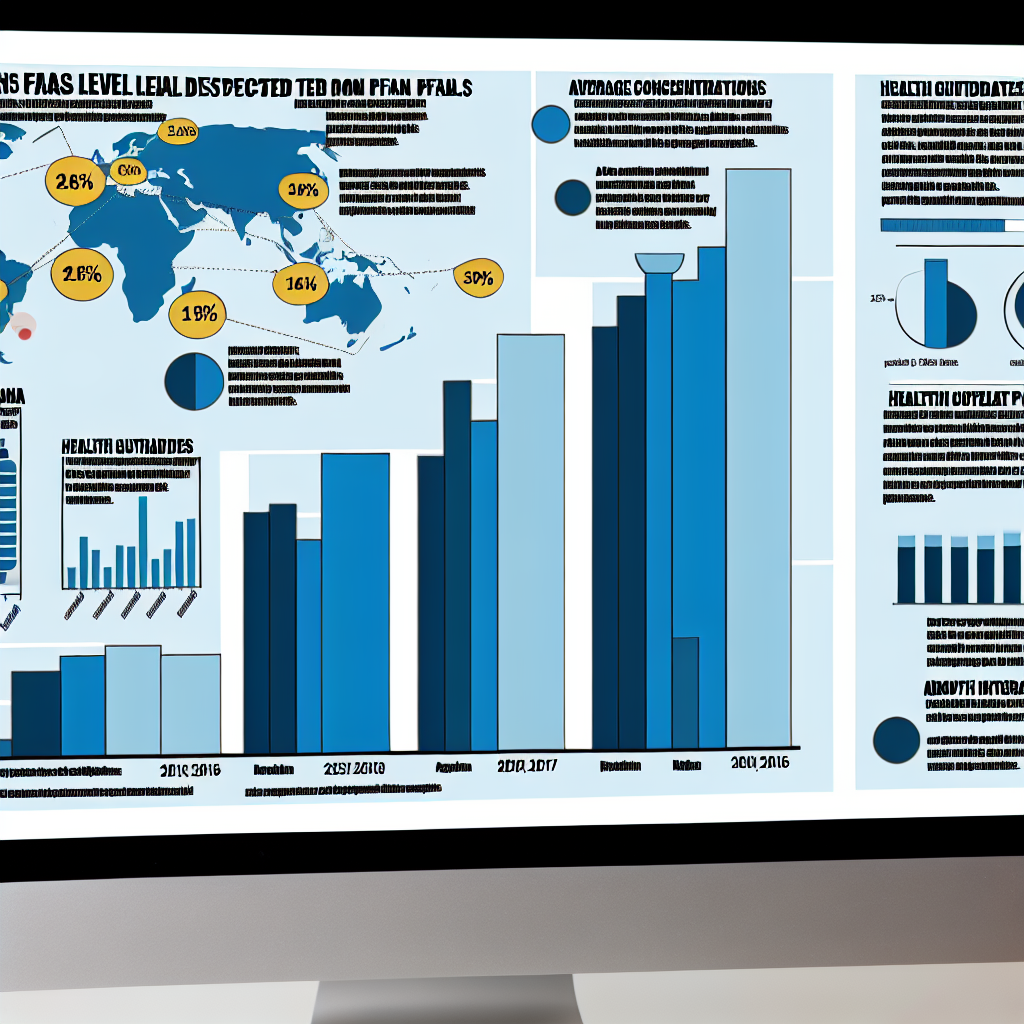 ## Image (Prompt): An infographic or chart illustrating the rise of PFAS levels detected in various regions over the recent years. Include information from credible sources about average concentrations, health guidelines, and any notable incidents. ## What Can You Do? While researchers and policymakers are working to enhance filtration methods and enforce stricter regulations, you can take proactive steps at home. Investing in a high-quality home filtration system that is certified to remove PFAS could significantly reduce your exposure risk. Also, staying updated with local water reports and participating in community discussions can drive change and increase awareness. In conclusion, whilst it might seem daunting to contend with contaminants like PFAS, being informed is your first defense mechanism. Knowledge and community advocacy are powerful tools in ensuring water safety for you and future generations.
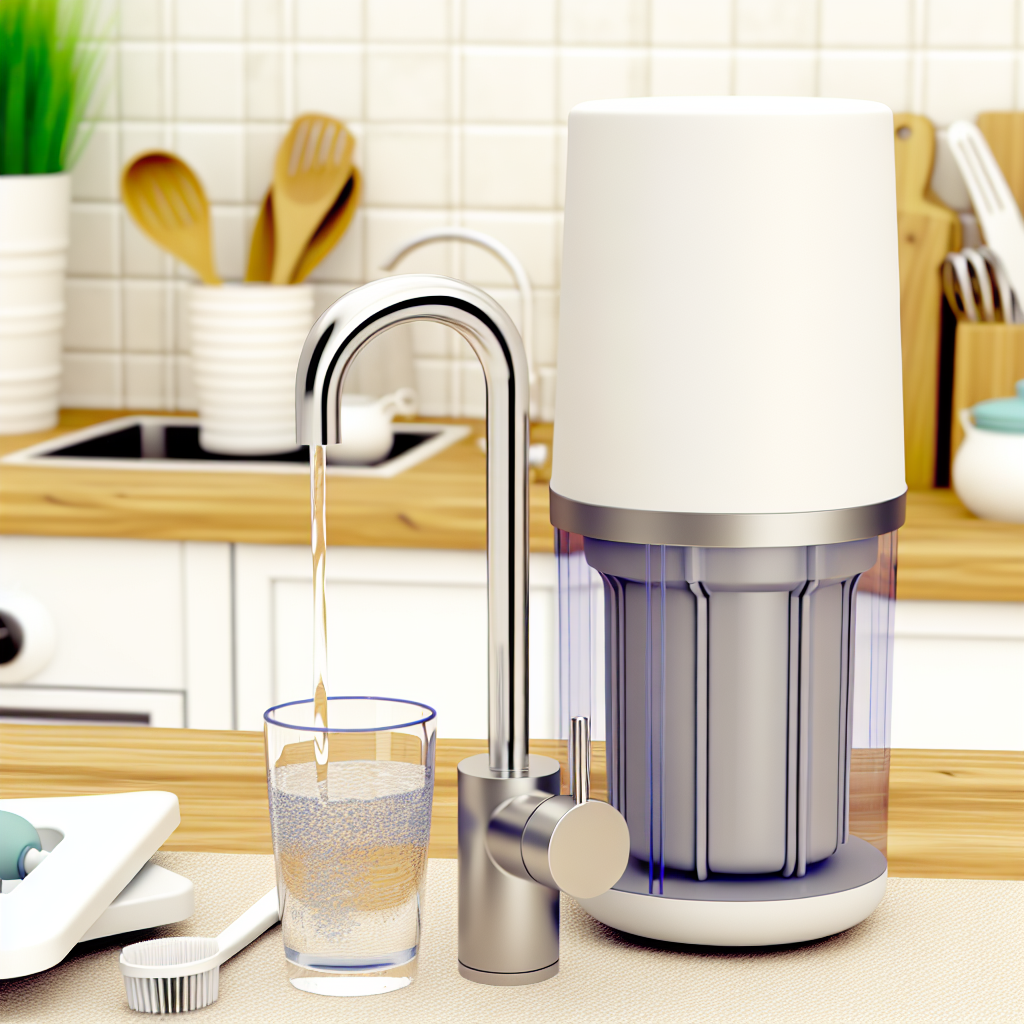
 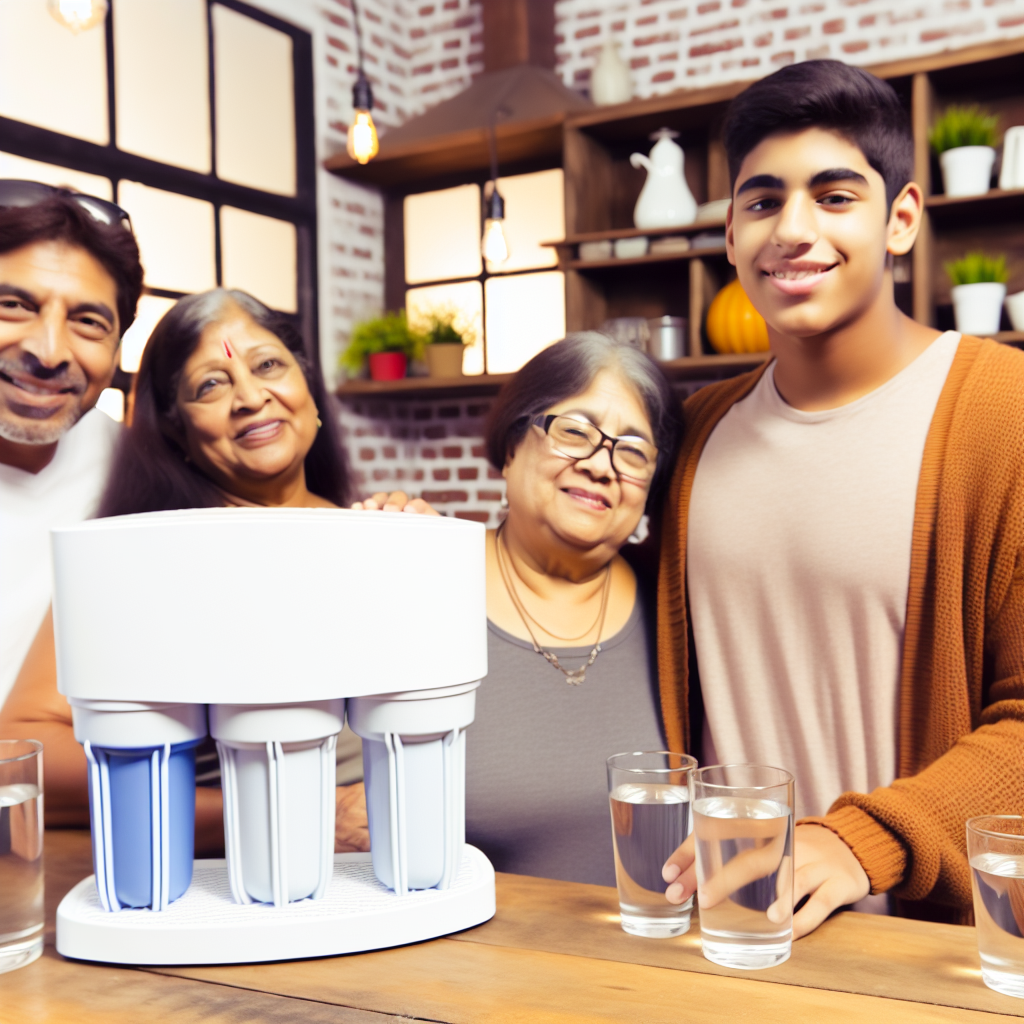 ## Image (Prompt): A general view of a family in a cozy kitchen using a generic water filtration device, symbolizing health-conscious lifestyle choices.
 ### Why This Matters to You The presence of PFAS in drinking water supplies is particularly concerning for communities in industrial areas or near military bases where these chemicals have been heavily utilized. With growing media coverage and heightened awareness, now is an excellent time for individuals to learn more about the quality of their local water supply and take necessary steps to ensure its safety. By utilizing recent tools and services, such as the free water report offered by TyentUSA, you can get vital information on water quality areas, helping identify potential contaminants including PFAS. The focus is on empowering you with knowledge, allowing you to make informed decisions about treatment options. ### Call to Action Protecting your health involves staying informed about potential risks. Knowledge is your best defense against hidden dangers in your drinking water. Don’t leave your family’s health to chance; understand your local water quality today. [Get your free water report now to see what’s in your water.](https://www.tyentusa.com/pages/get-your-free-water-report) Knowing what’s in your water equips you to effectively address potential risks head-on.
  ### Final Thoughts While the science behind PFAS can be a bit daunting, the message is clear: being informed about your drinking water can lead to better health outcomes. With the right resources and knowledge, such as understanding PFAS and implementing effective filtration systems, you can ensure cleaner, safer drinking water for you and your family.
  — #### Sources: 1. “PFAS: A Policy Proposal for Real Chemical Safety,” Environmental Working Group (EWG), 2023. 2. “The Rising Concerns of PFAS in Drinking Water,” The Guardian, October 2023. 3. “Understanding PFAS Contamination in Water: Recent Studies,” Journal of Environmental Science, 2023.