Ever wondered if the water you’re sipping is as pristine as it looks? You’re definitely not alone. With water quality becoming a hot topic in news circles, grasping what’s exactly flowing from your tap has never been more crucial. From simple DIY kits to full-on lab analyses, there’s a plethora of ways to test your water—and trust me, plenty of reasons to go for it.
Why Water Testing Matters
Looks can be deceiving, especially when it comes to water. Crystal-clear water isn’t always the safe kind. The sneaky part? Many health-risking contaminants are as invisible as a ghost. According to the EPA, there are standards for over 90 different contaminants that may lurk in your drinking water—from heavy metals to bacteria and some other sketchy chemicals. They pose health risks both now and in the not-so-distant future.
Here’s a quick rundown of usual suspects:
- Lead and copper (watch out if your house is older)
- Bacteria like E. coli and coliform
- Nitrates and nitrites from fertilizers making their sneaky way into your water
- “Forever chemicals” that go by PFAS
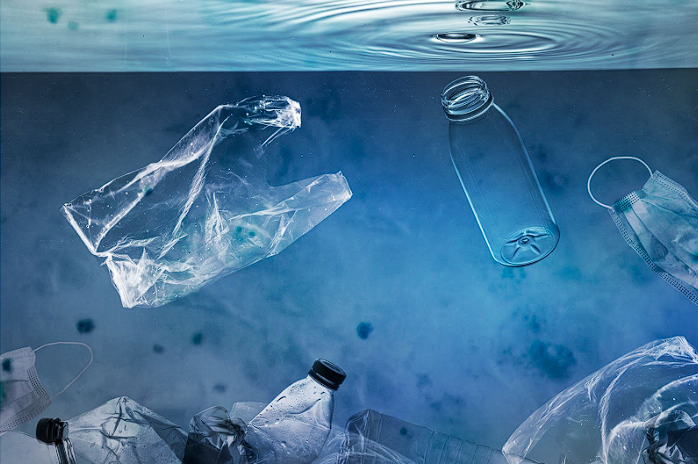
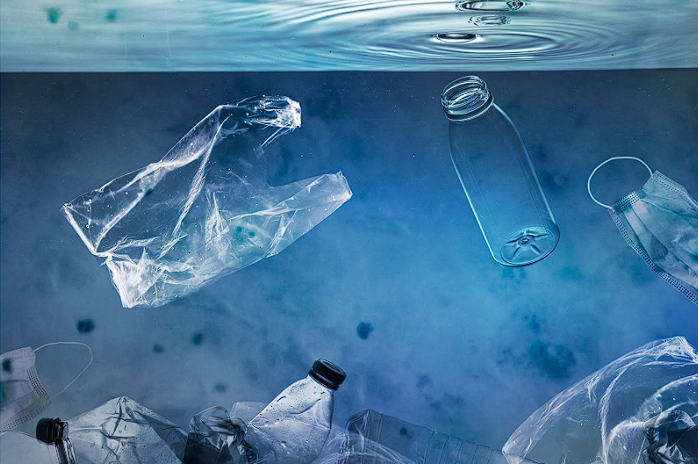
- Microplastics (yes, they’re a thing)
- Chlorine byproducts
- Arsenic and other heavy metals
Fun fact—or maybe not so fun: your water quality may change over time. Things like construction, old pipes, nature doing its thing, or even the seasons, can sneakily alter what’s in your glass. Regular testing isn’t just a luxury; it’s a bit of a no-brainer.
Curious to see what might be swimming in your local water supply? Get your free water report from Tyent USA and take your first step towards mastering your tap water.
Available Testing Options
When it comes to poking around your water, you’ve got options. You can go from a quick peek with DIY efforts to getting downright serious with professional analyses.
In-Home Testing Kits
These kits range from simple strips that dabble in basics like pH and chlorine, to fancier ones that cut to the chase with lead or bacteria detection. Tyent USA has your back with free pH test kits, giving you a sneak peek into your water’s acidity vibe—a great start.
The upside? They’re convenient and won’t empty your pockets. The downside? They’re more of a nibble than a full meal for your water insights.
Professional Water Testing Services
Many local outfits offer testing gigs, where a pro swings by, grabs some samples, and shoots them off to a lab. SimpleLab Tap Score notes these services usually cost around $100–300. They’re pricier than home kits, but hey, you get way more nitty-gritty details.
Certified Laboratories
For a no-holds-barred glimpse into your water quality, sending samples to a certified lab is your best bet. The EPA keeps a handy list of certified labs nationwide, with many offering mail-in testing vibes.
How to Get Your Water Tested: A Step-by-Step Guide
1. Choose the Right Testing Method
Start with figuring out what you need. Just curious? A home test might be enough. Suspect specific baddies or want the whole picture? Then professional testing is your go-to.
The Massachusetts Water Resources Authority’s annual check-in highlights the need for thorough testing, peeping into everything from bugs to chemicals with jazz like ozone and UV disinfection testing. Spoiler: Way more than your average home kit can muster.
2. Taking Water Samples
Going with a lab or mail service? How you take samples is gold:
- Use their provided containers
- Stick to their directions like glue—some need the water running for a bit, others love the first sip off the tap
- Label everything like you’re Marie Kondo, with date, time, and place
- Keep samples cool if they call for it (no adventures under the sun!)
3. Understanding Your Results
These reports can look like another language if you’re new to water talk. Most will stack your results up against EPA standards, showing if your contaminants are out of line.
Watch out for buzzwords like:
- “Non-detect” or “Below Detection Limit” (that’s a win!)
- Units like parts per billion (ppb) or parts per million (ppm)
- “Action levels”—like a little nudge if treatments are wise
Remember, some sneaky contaminants (looking at you, PFAS compounds) are troublemakers even at itty-bitty levels. Recent EPA guidance warns about PFAS being dicey at parts per trillion. Yep, trillions.
Where to Get Your Water Tested Locally
Regional Testing Resources
Your water testing options are like local flavors—each region has its own twist:
- Your local health department: Often offer foundational testing or can send you in the right direction for certified labs
- State environmental agencies: Typically have lists of solid testing facilities
- Local utilities: Some water providers will test for free or a discount if you’re worried
The U.S. General Services Administration mentions federal protocols that hook you up with local testing goods, so don’t hesitate to poke your municipality.
Online Resources
Looking for a certified lab in your area? Let your browser be your guide:
- EPA’s list of certified drinking water laboratories
- State environmental protection agency websites
- Water quality associations keeping directories of testing services alive
And why not start with a freebie look-see at local water oddities? Get your free water report from Tyent USA now to get a bead on your local water’s usual suspects.
Benefits of Regular Water Testing
Health and Wellness Protection
Regular testing’s not just for sleepless nights—it’s a frontline defense for your clan’s well-being. The City of Austin’s Water Quality Reports shed light on how watching for baddies like Cryptosporidium and PFAS is pivotal to public health armor. By knowing what’s in your water, you can boot out harmful substances.
Ensuring Compliance and Quality
If you draw water from a private well, you’re the boss—it’s up to you to monitor the quality. Even with city water, testing can reveal firsthand issues sneaking in between the plant and your taps, like lead from aging pipes.
Choosing a Reputable Testing Service
Not all testing services are created equal—some are definitely more equal than others. Look for:
- Certification from your state’s environmental agency worth its salt
- Accreditation from the illustrious National Environmental Laboratory Accreditation Program (NELAP)
- No nonsense pricing—those pesky hidden fees need not apply
- Clear info on what each test covers
I’ve heard tales of pals opting for the bargain service, only to find out the tests couldn’t pick out the contaminants they were sweating about. Avoid the pitfalls—ensure you know what your test entails.
Taking Action Based on Your Results
Once you’ve cracked the code on your water content, it’s time to act smart. Tyent USA can help with solutions like inline pre-filters to filter out heavy metals, microplastics, and those pesky forever chemicals or water ionizers morphing tap water into alkaline, hydrogen-infused delights.
Knowledge is power, especially with water. Start by understanding those local contaminants, then seek professional testing for any prickly concerns.
Ready to strike out on your water journey? Get your free water report from Tyent USA today and uncover what water mysteries might haunt your locale.
Leave a Reply