In the last couple of days, news about per- and polyfluoroalkyl substances (PFAS) contamination and its implications for drinking water quality has made waves across various media platforms. Known as “forever chemicals” due to their persistence in the environment, PFAS have been increasingly detected in water supplies across different regions, raising health concerns. This article will guide you through the essentials of PFAS, their impact on water quality, and what you can do to ensure your water is safe. ## Understanding PFAS Contaminants PFAS are a group of manufactured chemicals used in various industries since the 1940s. They are found in non-stick cookware, water-repellent clothing, stain-resistant fabrics, and some firefighting foams. Unfortunately, due to their widespread use, PFAS have seeped into the environment and, consequently, our water systems. Studies indicate that constant exposure to these substances can lead to health risks including hormonal disruptions, liver damage, and certain cancers. ## The Current Situation Recent news highlights increased PFAS levels in several water systems. For instance, a number of schools in New Jersey reported higher-than-acceptable PFAS concentrations, leading to significant concerns among parents and the community. Such cases are becoming more prevalent, prompting state governments and health organizations to reassess safe levels and implement more stringent regulations for drinking water.  ## Featured Image (Prompt): A professional and photorealistic image of a worried community member inspecting a glass of tap water in their kitchen, symbolizing concern over PFAS contamination. ## How PFAS Affect Water Quality PFAS chemicals are incredibly tough to break down, which makes water filtration particularly challenging. Most standard filters may fail to adequately remove PFAS, necessitating advanced filtration technologies like activated carbon and reverse osmosis systems. Moreover, PFAS are heat and water resistant, making them difficult to detect and even more difficult to remove completely from water. This elevates the need for systemic changes and innovations in water treatment solutions to secure clean, safe water for everyone. ## Ensuring Your Water is Safe The crux of addressing PFAS contamination lies in being informed and prepared. Start by getting a detailed report of the water quality in your area. For free access to a drinking water report, visit [TyentUSA](https://www.tyentusa.com/pages/get-your-free-water-report). This resource can provide a critical understanding of your local water quality and what measures might be necessary to guarantee safety.
 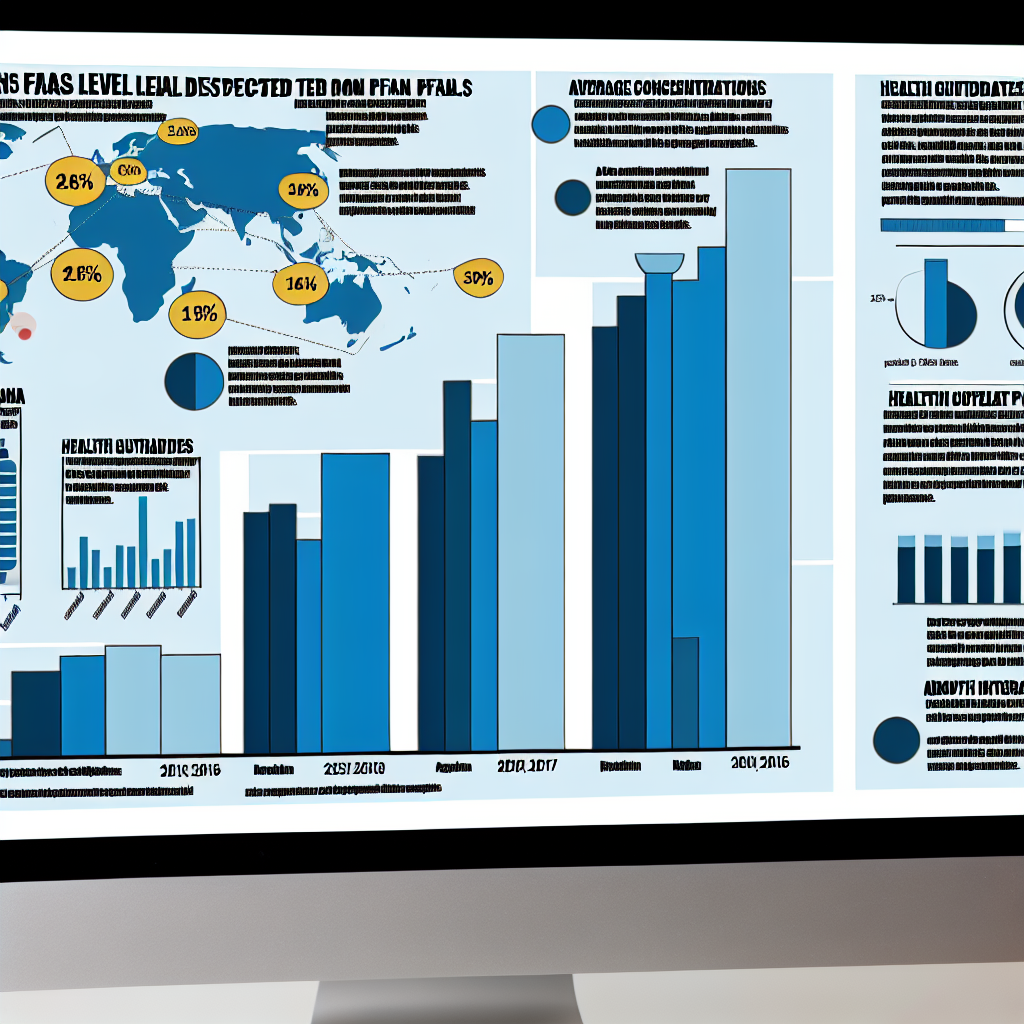 ## Image (Prompt): An infographic or chart illustrating the rise of PFAS levels detected in various regions over the recent years. Include information from credible sources about average concentrations, health guidelines, and any notable incidents. ## What Can You Do? While researchers and policymakers are working to enhance filtration methods and enforce stricter regulations, you can take proactive steps at home. Investing in a high-quality home filtration system that is certified to remove PFAS could significantly reduce your exposure risk. Also, staying updated with local water reports and participating in community discussions can drive change and increase awareness. In conclusion, whilst it might seem daunting to contend with contaminants like PFAS, being informed is your first defense mechanism. Knowledge and community advocacy are powerful tools in ensuring water safety for you and future generations.
  ## Image (Prompt): A general view of a family in a cozy kitchen using a generic water filtration device, symbolizing health-conscious lifestyle choices.
PFAS Contamination: What It Means for Your Drinking Water Quality
Leave a Reply