Ever turned on your faucet and just assumed the water’s safe to drink? Hmmm, let’s take a closer look at what’s really swimming around in there. Spoiler alert: It might not all be good.
Introduction to Water Contaminants
Water contaminants sound fancy, but they’re basically anything in your water that shouldn’t be there. Whether it’s troublesome chemicals or minerals that naturally occur, if it’s harmful to humans, animals, or our environment, it counts. Seriously, the importance of clean water can’t be overstated—it’s basically how life continues on this planet. No pressure or anything.
Sources of water pollution? Oh, just the usual suspects: factories, farm runoff, urban rainwater, and even some well-intentioned households. According to a review in the National Library of Medicine, a variety of nasties such as heavy metals, leftover pharmaceuticals, microplastics, and disinfection chemicals hitch a ride into our water systems.
Globally, some common baddies include:
- Heavy metals (think lead, mercury, arsenic)
- PFAS (those “forever chemicals” that just won’t quit)
- Pesticides and fertilizers
- Pharmaceutical residues
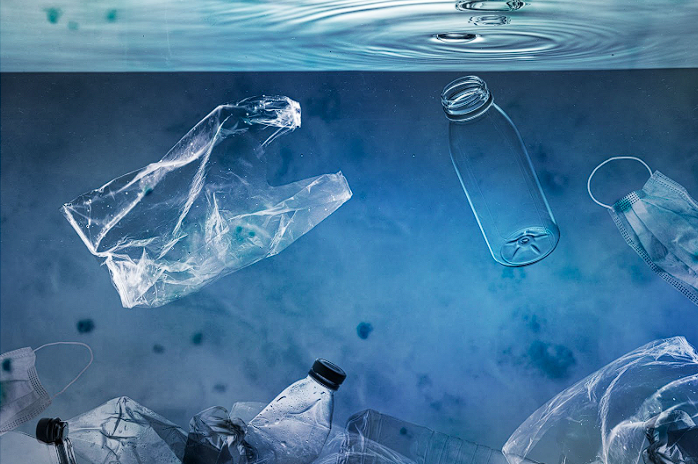
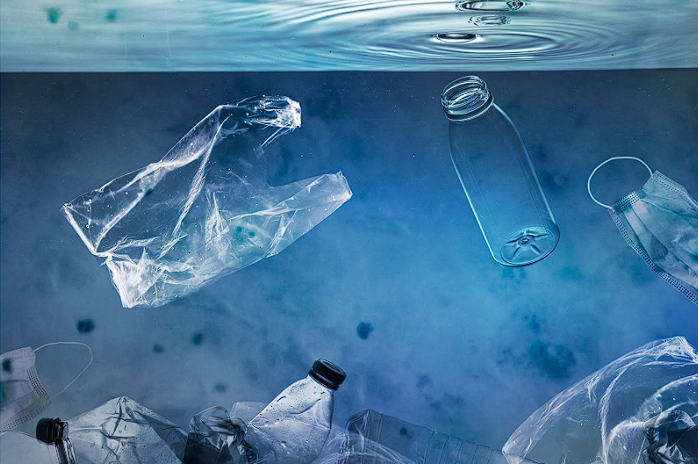
- Microplastics
- Bacteria and viruses
- Nitrates and phosphates
Curious what’s making a splash in your local water supply? Grab a free water report from Tyent USA and see what surprises are lurking.
Why Water Pollution Must Be Resolved
Picture this: ecosystems collapsing, fish and plants dying, and toxins crawling up the food chain. That’s what happens when our waterways are contaminated. It’s like nature’s version of a bad roommate. Not cool.
The human health angle? Equally concerning. A 2022 study in Frontiers in Environmental Science links water pollution to health problems like gastrointestinal sickness and chronic diseases. Vulnerable communities get hit hardest since they often lack treatment options.
Check out the economic side of things—water pollution’s a financial drain too. Harmful algal blooms cost tourism about $1 billion a year, and property prices near dirty water can drop as much as 25%. Just what everyone wants: hidden healthcare and remediation costs. Fun times!
Comprehensive Solutions for Water Quality Improvement
So what’s the plan? Fixing water pollution needs a full-blown team effort: policies, technology, and community activists—all in one huddle.
Policy and Technology
Legislation like the Clean Water Act has been making headway, but enforcement is still hit-or-miss. According to EBSCO Research Starters, international agreements are patchy, with developed countries leading the pack and others playing catch-up.
On the tech side, we’re seeing cool stuff like chemical sieves and bioremediation techniques changing the filtration game. Tyent USA water ionizers represent the home treatment frontier, crafting alkaline, hydrogen-enhanced water while filtering out harmful stuff. Fancy, right?
Community Engagement
But, let’s not forget the hometown heroes—community engagement. Meticulous as it may sound, local involvement makes a major impact. When residents clue up on water issues and pitch in on watershed protection, big changes happen. Campaigns to correctly rid households of meds and chemicals have slashed pharmaceutical water contamination by up to 30% in some test areas.
Case Studies of Successful Water Management
Take Singapore, for example, managing water with its “Four National Taps” strategy. They pulled a 180° move from water scarcity to utility savant by doubling down on public education to clear the skepticism cobwebs around reclaimed water. Now, NEWater meets about 40% of the city-state’s needs.
And Boston’s Charles River? Once mucky and grim, it’s transformed into a poster child for A-rated water quality. Through keen regulation, inventive stormwater tweaks, and community oversight, it rose from infamous notoriety to transparent triumph.
These stories leave us with a major takeaway: a winning mix of political, technological, and community efforts brings real change—no lone ranger heroes here.
Practical Steps to Reduce Individual Impact on Water Pollution
So, what can you do? Actually, it’s a lot easier than you think.
Start with your water. Don’t know what’s hiding in there? Get your free local water quality report from Tyent USA and find out.
Filtering your water is essential. Basic carbon filters can ditch chlorine and upgrade the taste, but for the serious offenders—think heavy metals and those pesky PFAS—advanced systems and ionizers, such as those from Tyent USA, are the way to go.
Aside from gadgetry, small habit changes do wonders:
- Don’t flush meds or nasty chemicals. Ever.
- Go for phosphate-free soaps and cleaners.
- Fix dripping faucets (water waste and contamination entry points).
- Ditch plastic stuff to slow down its microplastic brethren.
- Sign up for local cleanup events and brainstorm with the community.
Personally, I’ve started using rainwater to hydrate my garden veggies. No chlorine rinse here—just pure sky juice.
Conclusion and Call to Action
Water contamination’s no abstract idea—it’s a front-and-center issue that hits health, communities, and economies in their soft spots. Thankfully, solutions are easier to find than your missing socks. Technology like Tyent USA’s filtration system shields your home, and collective engagement propels policy changes.
Wanna be part of the solution? Hey, why not? Jump in with both feet and order a Tyent USA water quality report. Understanding your water is step one in the battle.
Remember, clean water isn’t just a nice-to-have. It’s essential. Making sure future generations have it means jumping on board with solutions today. Let’s make it happen together!
Leave a Reply