Have you ever heard of PFAS? Known as ‘forever chemicals,’ these substances have been making headlines recently – and not for good reasons. Let’s dive into what PFAS are and why they should matter to you.
What Are PFAS and Why Are They Called “Forever Chemicals”?
Per- and polyfluoroalkyl substances (PFAS) are a group of man-made chemicals that have been used in various industries around the globe since the 1940s. They are commonly found in non-stick cookware, firefighting foams, and even in the packaging of fast food. The reason they are termed ‘forever chemicals’ is due to their persistence in the environment and the human body – they don’t break down easily and can accumulate over time.

Why Should You Be Concerned About PFAS?
Recent studies have linked PFAS exposure to critical health issues such as cancer, liver damage, decreased fertility, and increased risk of asthma and thyroid disease. These chemicals leach into our water systems from industrial sites, landfills, and even everyday household items. While regulatory agencies are working to set limits and remediate contaminated areas, PFAS can make their way into your tap water unnoticed, becoming a silent threat to your well-being.

Current Trends in PFAS Regulation
The Environmental Protection Agency (EPA) has been actively working on setting regulations for PFAS in drinking water. As of now, the EPA has announced its plan to set Maximum Contaminant Levels (MCLs) for PFAS by the end of the current year. This is part of a broader effort to protect the public from these pervasive contaminants.
Protecting Yourself: The Role of Water Filtration Systems
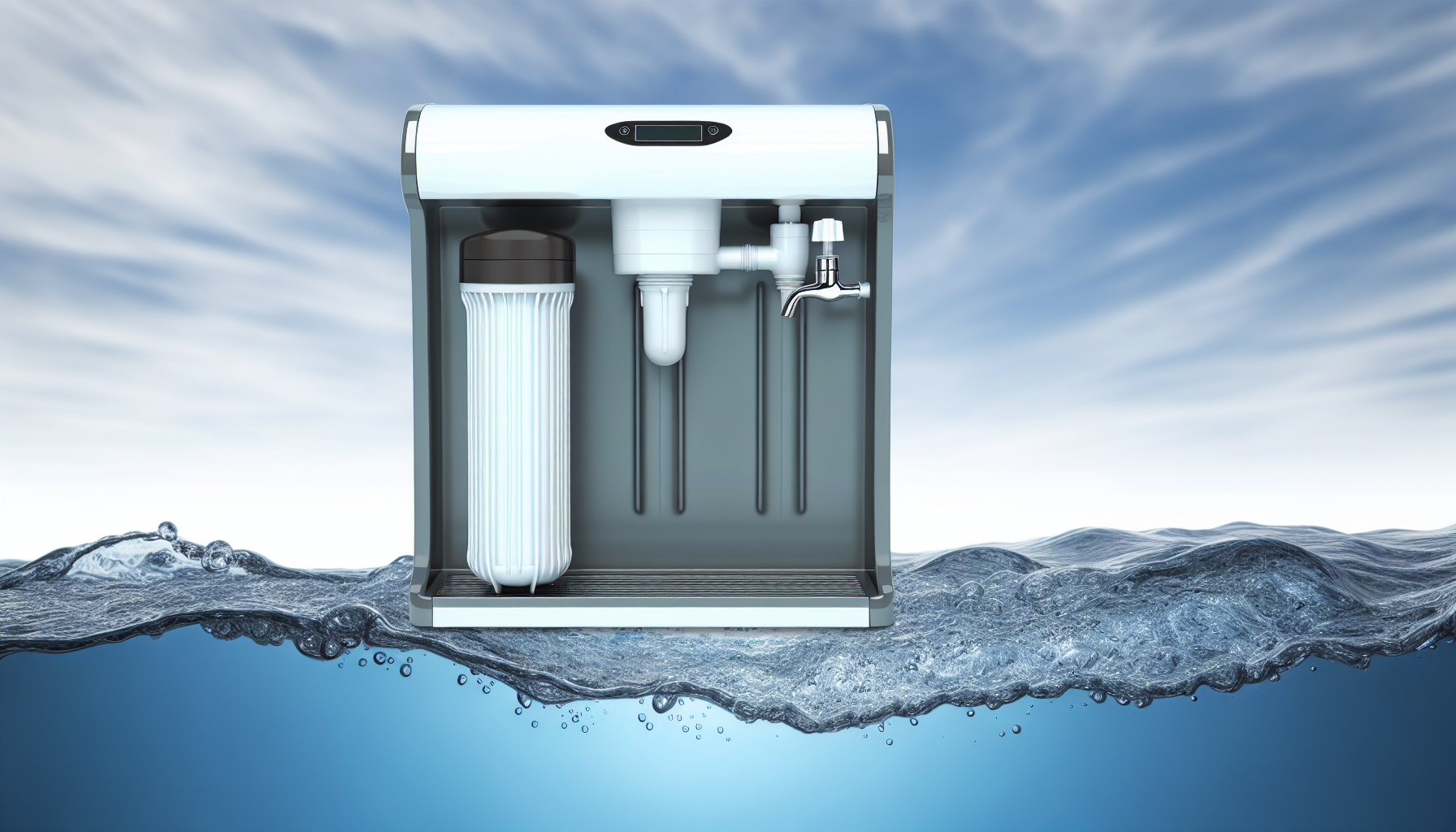
How can you protect yourself from PFAS exposure? Investing in a high-quality water filtration system can be a practical solution. These systems can effectively reduce PFAS levels in your drinking water, providing peace of mind for you and your family. We recommend getting a comprehensive water report to understand exactly what’s in your water and determine the best filtration system for your needs. Claim your free water report from us here: Get Your Free Water Report.

Conclusion: Stay Informed and Act
With an increasing awareness and scientific understanding of PFAS, it’s essential to stay informed and take proactive steps to ensure clean and safe drinking water. Whether through understanding new regulations, employing filtration technologies, or simply staying updated on environmental news, you play a crucial role in safeguarding your health.
Sources:
- EPA. (2023). “PFAS Strategic Roadmap: EPA’s Commitments to Action 2021-2024”. Retrieved from EPA Website.
- Harvard T.H. Chan School of Public Health. “Health Risks of PFAS: Understanding the Impact”. Retrieved from Harvard T.H. Chan School of Public Health.
- Environmental Working Group. “PFAS Contamination in the U.S.”. Retrieved from Environmental Working Group.
Leave a Reply